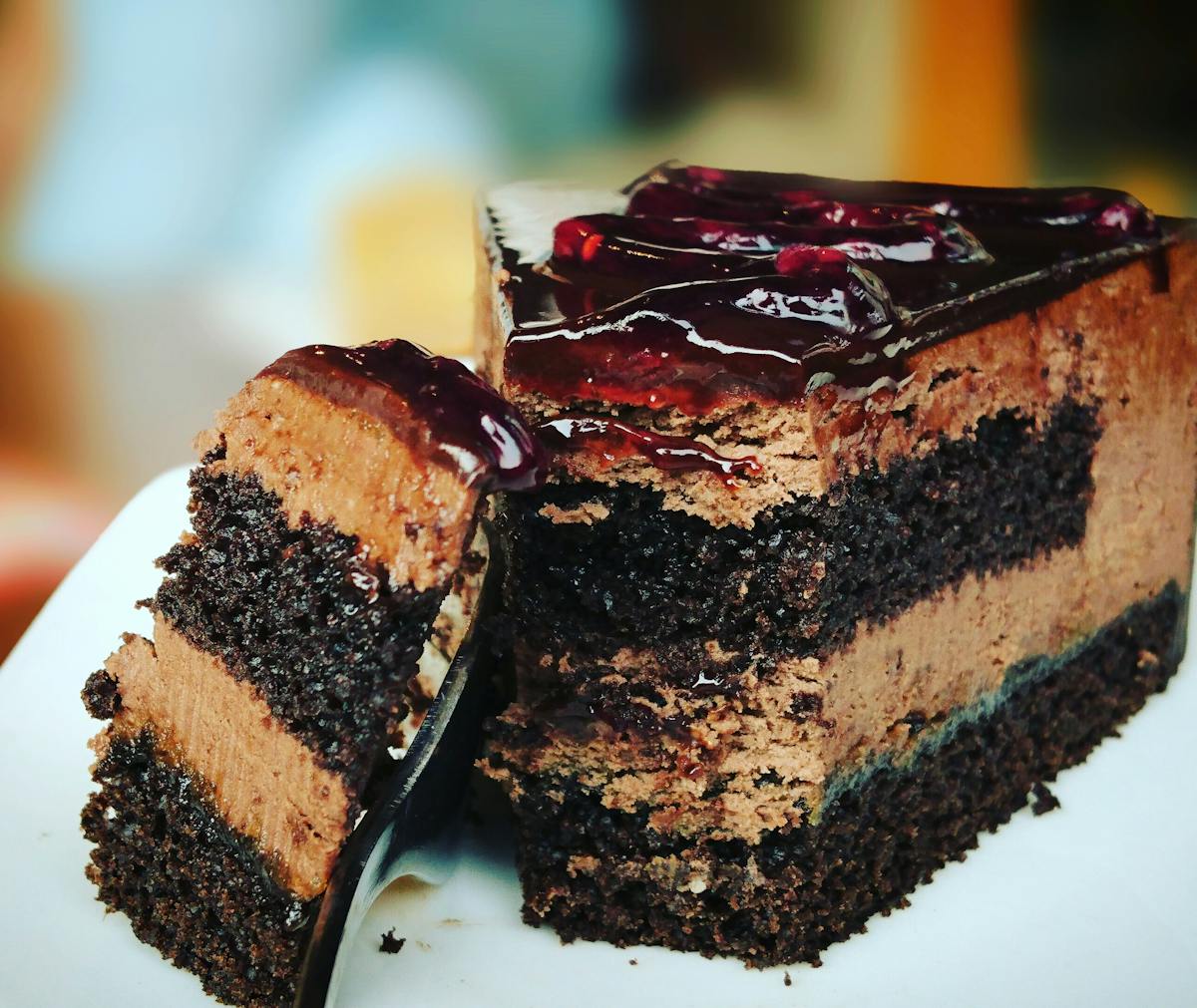
Every baker has experienced the disappointment of pulling a beautiful-looking cake from the oven, only to cut into a crumbly, dry texture. It’s frustrating, especially when you followed the recipe exactly.
Why do cakes dry out? The answer rarely lies in a single ingredient, but rather in the delicate balance of chemical reactions that happen during baking. Understanding cake baking science is the fastest way to improve your results. Whether you are crafting a complex artisan recipe or simply trying to figure out how to make a box cake mix moist for a last-minute birthday party, the fundamental chemical principles remain the same. By mastering a few key elements, you can ensure every slice is tender and delicious.
The Role of Fat (Butter vs. Oil)
Fat is crucial in baking because it coats the flour proteins (gluten). This coating prevents the gluten from absorbing too much water and becoming tough, which results in a tender crumb. However, the type of fat you choose dramatically affects moisture.
Many recipes call for butter because it provides a superior, rich flavor. But butter is typically only about 80% fat; the rest is water and milk solids. During baking, that water evaporates. Vegetable oil, canola oil, or even melted coconut oil, on the other hand, are 100% fat.
Because oil remains liquid at room temperature, cakes made with oil tend to feel moister on the palate than those made with butter, which solidifies when cool. One of the simplest moist cake tips for home bakers is to substitute half (or all) of the butter a recipe calls for with a neutral oil.
Sugar Does More Than Sweeten
We tend to think of sugar solely as a sweetener, but in the chemistry of baking a cake, it acts as a vital structural component for moisture.
Sugar is hygroscopic, meaning it attracts and holds onto water molecules. When dissolved in cake batter, sugar locks the liquid in, preventing it from evaporating too quickly in the oven’s heat. If you reduce the sugar in a recipe too drastically to make it "healthier," you are also removing the ingredient responsible for holding onto moisture, leading to a drier result.
Eggs & Structure
Eggs are the workhorses of cake batter, providing both structure and richness, but they must be used correctly.
Egg whites are mostly protein and water. When whipped, they trap air (leavening) and build the cake's structure as the proteins coagulate in heat. Egg yolks, however, contain high amounts of fat and emulsifiers (like lecithin) that bind water and fat together, creating a smooth, rich, and moist batter.
Too much egg white can make a cake rubbery and dry. A common trick for making moist cake is to add an extra egg yolk or two to the batter, increasing the fat content without adding excessive structure.

Temperature & Mixing Technique
Even with perfect ingredients, poor technique can ruin a cake's texture. The two biggest culprits are overmixing and incorrect oven temperature.
When flour meets liquid and gets agitated (mixed), gluten strands form. Some gluten is necessary to hold the cake together, but too much creates a dense, tough network that feels dry. If you want to know how to make box cake better, the golden rule is: stop mixing as soon as the flour disappears.
Furthermore, oven accuracy is critical. An oven running too hot will set the outside crust before the inside is done, forcing you to overbake the outer layers just to cook the center, inevitably drying out the cake.
The Secret Ingredient Most People Ignore
If you want to know the real secret to making moist cakes, look towards acidic dairy products.
Ingredients like buttermilk, full-fat plain yogurt, and sour cream are game-changers. The acidity in these ingredients does two things: it tenderizes gluten strands for a softer crumb, and it reacts with baking soda to create lift. More importantly, the thick consistency of yogurt or sour cream adds significant fat and creaminess without thinning out the batter like regular milk or water would.
Applying the Science: How to Make a Box Cake Mix Moist
Now that we understand the science, we can easily apply these principles to improve convenience products. Store-bought mixes are designed to be foolproof, but they often result in a generic, slightly dry sponge.
To hack a standard mix, you need to ignore the instructions on the back of the box.
- Swap the liquid: Never use water. Replace the water with whole milk, buttermilk, or even a clear soda (this is the trick for how to make a moist 7up cake—the carbonation adds lift while the sugar holds moisture).
- Swap the fat: If the box calls for melted butter, use oil instead for a moister texture.
- Add richness: Add an extra dollop of sour cream or an extra egg yolk to the batter.
These simple swaps are exactly how to make cake mix more moist using basic scientific principles.
Conclusion
Baking is less about intuition and more about chemistry. By understanding the role of fats, sugars, and acids, you gain control over the final texture of your baked goods. Knowing the science behind baking a cake allows you to troubleshoot dry recipes and master the art of making moist cake every time.
Whether you are meticulously measuring ingredients for a scratch recipe or just using these tricks to know how to make a box cake mix moist quickly, these rules apply. However, if the science seems too daunting, remember that you can always skip the hassle and order a professionally baked, guaranteed-moist cake from our bakery for your next event!
Want to taste the science in action? Explore our best-selling moist cakes and celebration desserts.
← Back to all blog posts Order a custom cake